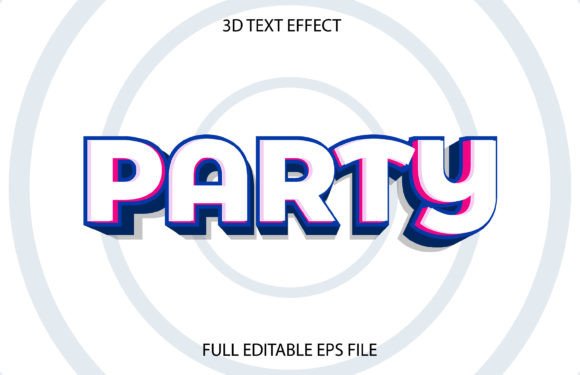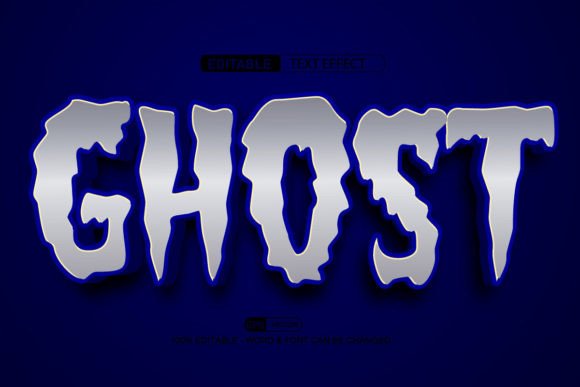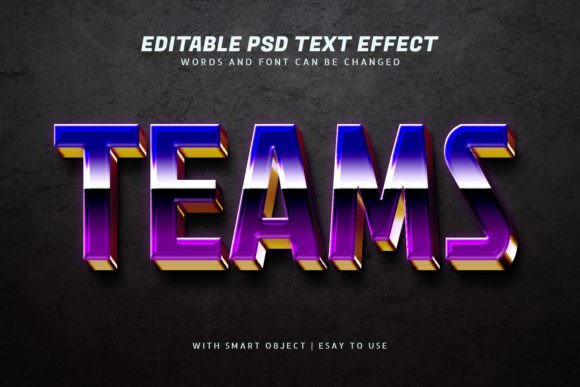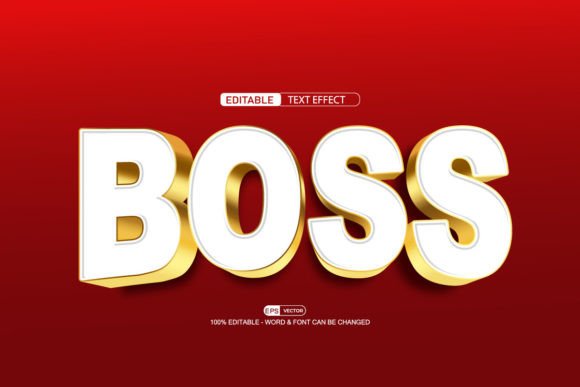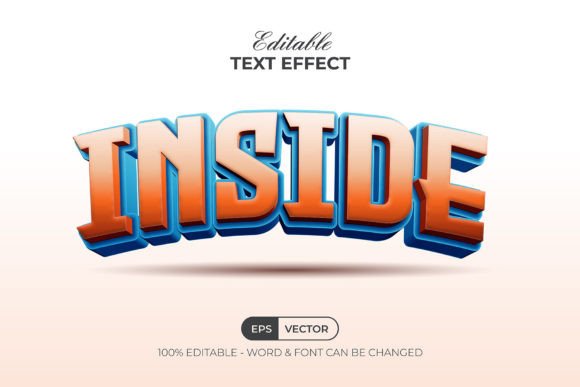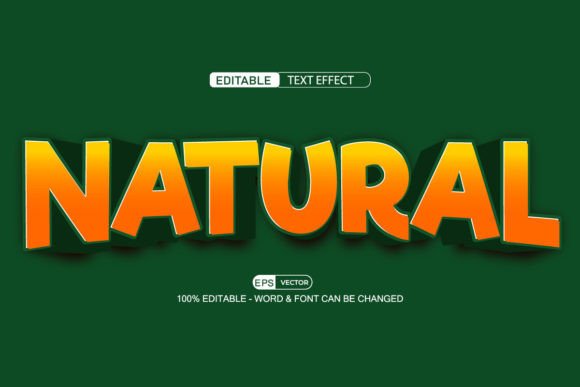
Natural 3D Editable Text Effect Vector: A Versatile Tool for Designers and Creatives
In today's digital age, visual content plays a crucial role in communication, branding, and artistic expression. One of the most powerful tools in a designer's arsenal is the Natural 3D Editable Text Effect Vector. This type of vector design allows users to create stunning, three-dimensional text that can be easily modified in terms of fonts, size, and style. Whether you're a professional graphic designer or an amateur artist, understanding how to use these vectors can significantly enhance your creative workflow.
These vectors are typically provided in formats like EPS (Encapsulated PostScript), which are compatible with Adobe Illustrator and other vector editing software. The ability to edit text elements directly within the design makes them incredibly versatile for a wide range of applications—from logos and marketing materials to social media graphics and web design.
What Is a Natural 3D Editable Text Effect Vector?
A Natural 3D Editable Text Effect Vector is a digital file that contains text elements rendered in a three-dimensional format. Unlike raster images, which are made up of pixels, vector graphics use mathematical equations to define shapes and lines. This means the design can be scaled to any size without losing quality.
The "natural" aspect of these vectors refers to the realistic lighting, shadows, and depth that give the text a lifelike appearance. These effects are often achieved through gradients, layering, and advanced rendering techniques. The "editable" part is equally important—users can change the text, font, size, and even the color scheme without having to start from scratch.
Why Use a 3D Editable Text Vector?
There are several reasons why designers and creatives choose to work with 3D editable text vectors:
- Flexibility: You can easily modify the text, font, and layout to suit different projects or client needs.
- High Quality: Vector files maintain their clarity at any size, making them ideal for both print and digital use.
- Time-Saving: Editing text within a vector file is much faster than redrawing or re-editing a raster image.
- Professional Results: With the right tools, you can achieve a polished, high-end look that stands out in competitive markets.
These benefits make 3D editable text vectors particularly valuable for businesses looking to create consistent branding across multiple platforms, as well as for artists who want to experiment with different styles and effects.
Understanding the Components of a 3D Editable Text Vector
To fully appreciate the power of a 3D editable text vector, it's helpful to understand its key components:
- Text Layers: Each letter or word in the design is typically on its own layer, allowing for individual customization.
- Effects and Styles: These include shadows, highlights, and textures that add depth and realism to the text.
- Fonts and Sizes: The design can be adjusted to fit different typographic needs, whether it's a bold headline or a subtle subtitle.
- Backgrounds and Themes: Some vectors come with pre-designed backgrounds, such as Natural 3D Editable Text Effect Vector With Cute Background, which adds a whimsical or playful touch to the design.
By manipulating these elements, users can tailor the design to match specific themes, moods, or brand identities.
How to Edit a 3D Text Vector in Adobe Illustrator
If you're new to working with vector graphics, the process of editing a 3D text vector in Adobe Illustrator might seem intimidating at first. However, with a little practice, it becomes quite straightforward.
Here's a quick overview of the steps involved:
- Open the File: Launch Adobe Illustrator and open the EPS file containing the 3D text vector.
- Select the Text: Use the Selection Tool (V) to click on the text element you want to edit.
- Edit the Text: Double-click the text to enter editing mode, then change the words, font, or size as needed.
- Adjust Effects: Access the Appearance panel to modify shadows, gradients, or other visual effects.
- Save and Export: Once satisfied with the changes, save the file in your desired format, such as PNG, JPEG, or PDF.
This simplicity makes 3D editable text vectors accessible to both beginners and experienced designers alike.
Applications in Modern Life and Work
The versatility of 3D editable text vectors extends beyond just graphic design. They have practical applications in various fields, including:
- Marketing and Advertising: Businesses use these vectors to create eye-catching headlines, banners, and social media posts.
- Education: Teachers and students can use them to create engaging presentations, infographics, and educational materials.
- Web Design: Web developers often incorporate 3D text into website headers, buttons, and interactive elements.
- Personal Projects: Artists and hobbyists can experiment with different styles and effects to express their creativity.
Whether you're designing a logo for a startup, creating a poster for an event, or simply exploring new design techniques, 3D editable text vectors offer endless possibilities.
Common Misconceptions About 3D Text Vectors
Despite their usefulness, there are some common misunderstandings about 3D text vectors that can prevent people from using them effectively:
- Misconception 1: "They’re only for professionals." While they are powerful tools, many 3D text vectors are designed with user-friendly interfaces that make them accessible to beginners.
- Misconception 2: "They’re too complex to edit." In reality, most vectors allow for simple edits, such as changing the text or adjusting the font size, without requiring advanced technical skills.
- Misconception 3: "They’re not suitable for small businesses." On the contrary, 3D text vectors can help small businesses create high-quality visuals that compete with larger companies.
By addressing these misconceptions, more people can take advantage of the benefits these vectors offer.
Choosing the Right 3D Text Vector for Your Needs
With so many options available, selecting the right 3D editable text vector can be overwhelming. Here are a few tips to help you make an informed choice:
- Consider the Purpose: Are you using the vector for a logo, a poster, or a social media post? Different projects may require different styles and levels of detail.
- Check Compatibility: Make sure the vector is compatible with your design software, such as Adobe Illustrator or CorelDRAW.
- Look for Customization Options: Choose a vector that offers flexibility in terms of fonts, colors, and layouts.
- Read Reviews: User reviews and ratings can provide valuable insights into the quality and usability of a vector.
By taking these factors into account, you can find a vector that meets your specific needs and enhances your creative output.
Conclusion
The Natural 3D Editable Text Effect Vector is a powerful and flexible tool that can elevate your design work in countless ways. Whether you're a seasoned designer or just starting out, these vectors offer a blend of functionality, aesthetics, and ease of use that makes them invaluable in today's digital landscape.
From customizing text and fonts to adding realistic effects and backgrounds, the possibilities are nearly endless. By understanding how to use and edit these vectors, you can unlock new creative opportunities and produce high-quality designs that stand out from the crowd.
So, if you're looking for a way to bring your ideas to life with style and precision, consider incorporating a 3D editable text vector into your workflow. With the right tools and knowledge, you'll be amazed at what you can achieve.